Key Takeaways
- Understanding the critical role of EMTs in emergency scenarios.
- Importance of comprehensive and ongoing EMT training.
- Real-life benefits and implications of practical EMT training.
- Insights into the future of emergency response and EMT technologies.
Table of Contents
- EMTs: Lifesavers on the Frontlines
- Essential Training Components
- Ongoing Education and Skill Enhancement
- Real-Life Impact of EMTs
- The Evolution of Emergency Medical Services
- Integrating Technology in Emergency Response
- Collaborative Efforts in Emergency Training
- The Future of EMT Training and Response
EMTs: Lifesavers on the Frontlines
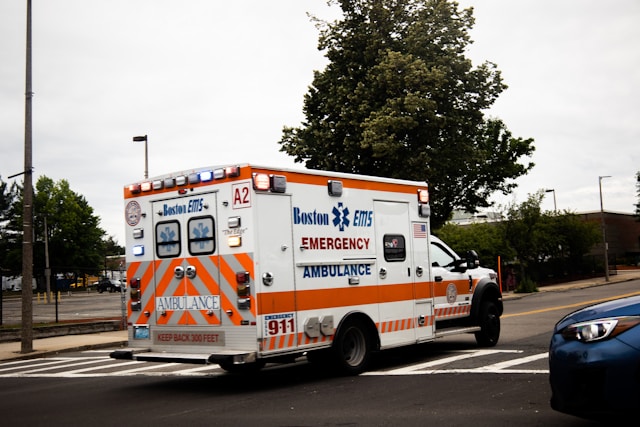
Emergency Medical Technicians (EMTs) ensure patient stabilization and treatment preparation. Rapid and efficient response to cardiac emergencies significantly enhances survival rates, emphasizing the importance of well-trained personnel. EMTs’ ability to assess wounds, manage trauma, and provide immediate care reduces emergency complications. They are often described as lifelines on the frontlines of healthcare, providing the first response in medical emergencies ranging from sudden cardiac arrests to severe trauma injuries. The cornerstone of their efficiency is intensive training, such as what is offered in emergency medical responder course Texas. Emergency Medical Responders (EMTs) are trained to make quick, critical decisions under pressure in high-stress environments. These courses equip them with theoretical knowledge and practical skills, enabling them to assess patients’ conditions and provide pre-hospital care quickly. Texas’ emergency medical responder course aims to produce professionals proficient in handling emergencies.
Essential Training Components
An EMT’s training is comprehensive, rigorously preparing them for the multifaceted demands of emergency medical services. Courses cover various subjects such as anatomy, physiology, emergency pharmacology, and life support. By balancing classroom instruction with practical, real-world application, these training programs ensure that EMTs not only understand medical concepts but can also apply critical thinking skills to solve complex emergencies. Mastery of these components allows EMTs to anticipate needs effectively, execute appropriate interventions, and utilize existing resources optimally.
Ongoing Education and Skill Enhancement
In the ever-evolving field of emergency medicine, continuous education is not just beneficial—it’s essential. EMTs regularly participate in refresher courses, workshops, and training modules to stay updated on the latest medical protocols and technologies. These changes are based on the National Emergency Medical Services Education Standards, which offer a methodical way to continue providing high-quality care. Such ongoing education ensures that EMTs sustain proficiency and remain conversant with innovative practices that emerge within the healthcare sector.
Real-Life Impact of EMTs
EMTs play a significant role in bridging the critical pre-hospital phase and formal medical treatment. Their timely intervention often prevents further deterioration of the patient’s condition, facilitating smoother, more successful treatment upon reaching hospital care. Numerous anecdotes and case studies reveal EMTs performing life-saving procedures, such as controlling severe bleeding or performing CPR during transit. The narratives around their real-life impacts highlight EMTs’ indispensable role in our communities’ overall health framework.
The Evolution of Emergency Medical Services
Over the decades, EMS systems have undergone profound transformations. Advances in training methodologies, expansions in scope, and integration of new technologies have significantly enhanced how emergency services are delivered. The pace at which emergency medicine evolves requires systems to be adaptive and progressive, creating a better-equipped and more knowledgeable EMT workforce. Strategies to improve the preparedness and efficacy of EMS programs domestically and internationally are informed by data and suggestions from reputable organizations such as the Centers for Disease Control and Prevention.
Integrating Technology in Emergency Response
The infusion of technology into emergency response systems has revolutionized how EMTs operate. Equipment such as portable cardiac monitors, GPS-enabled communication devices, and telehealth consultations significantly impact the efficiency and reach of EMT services. These advancements allow for better coordination with hospitals, providing medical staff with essential information before the patient arrives. This use of technology ensures resources are readily available and patient care is seamless, augmenting the capabilities of EMTs on the ground.
Collaborative Efforts in Emergency Training
Emergency response is a coordinated effort requiring seamless teamwork across various public safety agencies. EMTs regularly engage in joint exercises with police, fire departments, and other first responders to enhance inter-agency communication and effectiveness. These collaborative efforts enhance preparedness for large-scale disasters and foster mutual understanding and camaraderie between emergency services, ensuring cohesive and comprehensive response strategies are employed when real situations arise.
The Future of EMT Training and Response
The training and practice of EMTs are poised for further refinements as new educational approaches and technologies continue to evolve. Innovative tools such as augmented reality and simulation training modules promise to provide EMTs with enriched, immersive learning experiences. These developments are crucial for preparing medical responders to handle increasingly complex emergencies precisely and confidently. The commitment to advancing EMT education and integrating cutting-edge technologies will remain key to sustaining and elevating the caliber of emergency medical response.
Ultimately, the ever-expanding role of EMTs in emergency response underscores the need for comprehensive training and continuous professional development. Through investments in education and technological advancements, the medical field can ensure that EMTs are adequately prepared to meet the challenges of their essential responsibilities now and in the future.