Key Takeaways
- Hybrid and electric vehicles are rapidly becoming the preferred choice for eco-conscious consumers.
- Technological innovations are creating opportunities for improved efficiency and extended battery longevity.
- Government incentives and global policies are supporting the shift towards sustainable transportation.
- Electric vehicle infrastructure is expanding globally, making adoption more feasible.
- Hybrid and electric vehicles’ environmental impact is significantly lower than traditional gas-powered cars.
Why Hybrid and Electric Vehicles Matter
In today’s world, hybrid and electric vehicles hold the key to a more sustainable future. As the awareness of climate change and environmental issues grows, more countries and consumers are committing to reducing their carbon footprints. Hybrid and electric vehicles (EVs) play a significant role in this shift, offering a clean and efficient alternative to traditional gasoline-powered cars. High-performance models and competitive pricing options are making these vehicles more accessible to the general public, and many individuals are eager to browse our inventory of efficient and eco-friendly models to find a suitable option. Hybrid and electric cars are crucial in combating climate change. By significantly lowering emissions from daily transport activities, they contribute to cleaner air and reduce harmful pollutants. This reduction is especially beneficial in urban areas, where high traffic density and air quality are often compromised. Studies have shown that increased adoption of EVs correlates with noticeable improvements in air quality, leading to better public health outcomes and a reduction in respiratory conditions.
Technological Innovations in the Automotive Industry
Improvements in battery technology are leading this shift, allowing electric cars to cover greater distances with one charge. The evolution of lithium-ion battery technology and research into solid-state alternatives support the trend toward higher efficiency and faster charging times. This technological evolution has made it possible for modern electric vehicles to rival and, in some cases, surpass the performance of traditional internal combustion engine vehicles.
In addition to battery technology, smart systems and sensors are being integrated into vehicles, enhancing performance and a more connected driving experience. Features such as regenerative braking, real-time navigation, and adaptive driving modes are becoming standard in many EV models. These innovations improve efficiency and provide a more personalized and enjoyable driving experience. Furthermore, the development of autonomous electric vehicles positions us on the brink of a transportation revolution. These innovations promise a future where driving is safer, more efficient, and environmentally friendly, potentially transforming our entire approach to mobility.
Government Policies and Incentives
A critical driver of the shift to hybrid and electric vehicles is the role of government policies and incentives. Many governments offer tax breaks, rebates, and other incentives to encourage consumers to choose green cars. For example, in the United States, federal tax incentives can significantly lower the cost of acquiring an electric vehicle, increasing its financial accessibility. State-specific incentives, such as reduced registration fees and access to carpool lanes, complement these measures.
Internationally, agreements emphasize the importance of sustainable transportation in achieving global emissions targets. Many countries are setting ambitious goals for EV adoption, with some aiming to phase out the sale of new gasoline and diesel vehicles altogether. These policies drive consumer adoption and encourage automotive manufacturers to invest in green technology and explore new vehicle design and efficiency innovations.
Expanding Infrastructure for Electric Vehicles
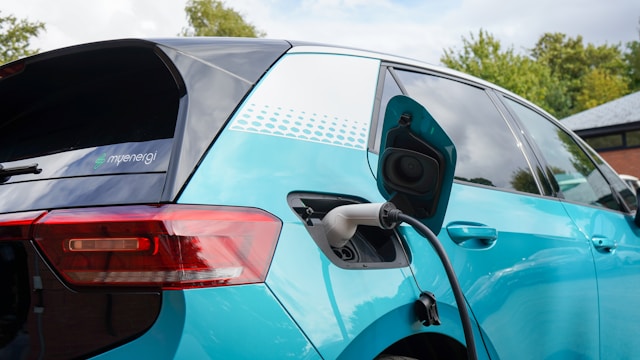
Establishing a supportive infrastructure for electric vehicles is vital for their widespread adoption. Unlike traditional cars, EVs require a charging station network to extend their travel range effectively. Over recent years, cities and highways worldwide have seen a surge in the development of these facilities, allowing electric vehicle owners to travel long distances without worrying about battery life.
Both public initiatives and private companies are investing in this infrastructure, reflecting a commitment to powering public transport with sustainable solutions. Establishing a robust network of charging points, particularly fast-charging stations, allows EV owners to recharge their vehicles as easily and quickly as refueling at a gas station. This development is crucial for easing the transition to electric mobility for consumers concerned about range and convenience.
Environmental Benefits and Challenges
Switching to electric power comes with a host of environmental benefits. These vehicles emit no tailpipe pollutants, leading to a notable decrease in air contamination and greenhouse gas emissions. This benefit is substantial in cities with high pollution levels, where switching to electric vehicles can dramatically improve air quality. However, challenges remain, such as disposing of electric vehicle batteries and extracting resources necessary for their manufacture. Ensuring that these issues are addressed responsibly will be crucial in maintaining the environmental benefits of this transition. As the industry progresses, there is an increasing focus on developing sustainable practices for battery recycling and incorporating renewable energy sources into the electrification process, which will help maximize the positive impact of EVs on the environment.
Consumer Trends and Market Dynamics
Changing consumer preferences are reshaping the automotive industry. As people become more conscious of their environmental footprint, there is a growing interest in eco-friendly vehicles. This trend influences traditional car manufacturers to adapt and innovate, prompting them to expand their electric vehicle offerings and invest in research and development. According to recent reports, electric car sales are soaring worldwide, underscoring the rising demand for sustainable transport solutions. This demand is driven not only by environmental concerns but also by technological advancements, competitive pricing, and the attractiveness of new EV models. As electric vehicle infrastructure expands, their market share will likely only grow, further shaping the future transportation landscape.
Real-Life Examples of Electric Vehicles Making an Impact
Certain countries have emerged as leaders in electric vehicle adoption, setting examples for others. Norway, for instance, has almost half of its newly registered vehicles in the electric category, demonstrating the impact of committed policy and consumer support. This example shows how government efforts, consumer awareness, and market readiness can lead to rapid and effective adoption of sustainable technologies.
Testimonials from these regions underscore the benefits and satisfaction of electric vehicle ownership. Drivers report lower running costs, a smoother driving experience, and an overall positive contribution to environmental conservation. These real-life examples serve as a powerful motivation for other regions to pursue their sustainable transportation goals.
The Road Ahead for Sustainable Transportation
The future of hybrid and electric vehicles is promising, with continuous technological advancements and supportive policies steering the course. As infrastructure improves and solutions to existing challenges are developed, these vehicles are expected to dominate the market. For individuals considering their next vehicle purchase, exploring sustainable options contributes to a greener future and aligns with the inevitable evolution of transportation. Embracing this change involves adopting new technology and committing to a sustainable and healthier planet for future generations.