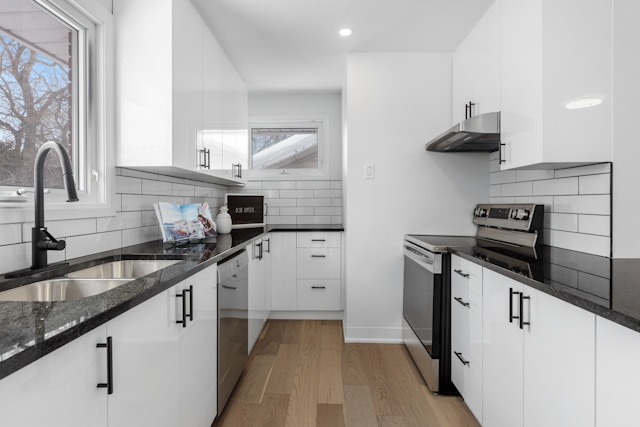
Key Takeaways
- Discover diverse countertop materials that enhance kitchen aesthetics and functionality.
- Learn how sustainable options are reshaping kitchen design trends.
- Understand the durability and maintenance needs of various countertop selections.
- Explore cost-effective solutions for upgrading kitchen spaces.
The Evolution of Kitchen Countertops
Over the years, kitchen countertops have transitioned from mere utilitarian surfaces to focal points of home design, capturing both functionality and aesthetic innovation. Driven by a surge in personalization and modernization trends, homeowners increasingly seek materials that resonate with their styles. This demand has ushered in a new era of design where countertops, like stone remnants Wexford PA, effortlessly blend unique aesthetics with practicality.
Several factors have facilitated this shift in consumer preference. Advances in manufacturing techniques and a heightened awareness of environmental issues have expanded material choices significantly. Countertops have become integral to conveying a home’s character as these options diversify. Whether a sleek modern design or a cozy rustic feel, the right countertop can make a dramatic difference, reflecting the homeowner’s taste while ensuring lasting durability.
Popular Countertop Materials
When choosing a kitchen countertop, homeowners have various material options with advantages and style features. Here are some popular choices:
- Quartz: Valued for its exceptional durability and resistance to scratches and stains, quartz countertops offer extensive design choices. With engineered patterns and colors that can emulate natural stone, quartz remains a top contender for those seeking elegance and resilience.
- Granite: As a perennial favorite, granite’s natural patterns and rich color spectrum make it a highly sought-after material. The appeal of granite lies in its ability to blend seamlessly with various kitchen designs, providing a unique and enduring aesthetic that is both luxurious and practical.
- Wood: Wood countertops are an excellent choice for homeowners aiming to infuse warmth and character into their kitchens. With variants ranging from rich mahogany to lighter maple, wooden countertops are a centerpiece of rustic style, though they may require regular maintenance to preserve their natural allure.
These materials cater to diverse preferences, allowing homeowners to balance style and functionality that accentuates their kitchen environment.
The Growing Interest in Sustainable Options
The global push towards sustainability is reshaping choices in interior design, including countertop materials. More than ever, eco-conscious homeowners gravitate towards sustainable materials to reduce their environmental footprint without sacrificing design. Recycled glass and bamboo have become popular due to their low ecological impact and distinct appearance, offering a perfect blend of sustainability and style.
Recycled materials introduce a unique look to kitchen spaces and help conserve natural resources, making them a viable option for the environmentally aware. These materials can transform kitchen spaces with innovative textures and colors, ensuring that sustainability does not come at the cost of creativity or aesthetics.
Comparing Durability and Maintenance
Durability and maintenance are critical considerations when selecting a kitchen countertop. Each material offers distinct benefits and requires varying levels of upkeep:
Granite countertops, celebrated for their robust nature and natural beauty, require sealing every few years to maintain their resistance to stains and liquids. Quartz, being non-porous, is inherently more durable against scratches and stains and requires less frequent maintenance.
Although wooden countertops add a rustic charm to kitchens, they require regular sealing and oiling to safeguard against moisture and heat, ensuring longevity and beauty. By being aware of these requirements, homeowners can select a material that fits their lifestyle and care preferences, which are crucial for preserving the appeal and functionality of countertops over time.
Cost Considerations for Every Budget
Budget plays an essential role in selecting countertop materials, with options available across the financial spectrum. Notably, renovation trends indicate that while natural stone materials like granite and engineered surfaces like quartz are more expensive, they offer long-term value through durability and timeless appeal.
For those on a tighter budget, laminate and other synthetics offer a cost-effective alternative, providing a wide range of styles and colors at a fraction of the cost. These materials allow aesthetic flexibility without breaking the bank, enabling a facelift that aligns with style aspirations and budgetary constraints.
Personalizing Kitchen Countertops
Beyond just choosing a material, customization options allow for the true personalization of your kitchen space. Countertops can be tailored through various customizations, including unique edge styles, integrated features like drainboards, and even inlays or patterns.
This level of personalization enables homeowners to create truly bespoke kitchen environments that mirror their tastes, preferences, and functional needs. By exploring custom design elements, homeowners can transform the conventional countertop into a distinct and practical centerpiece of their kitchen.
Future Trends in Countertop Materials
As technology continues to evolve, so do the possibilities for kitchen countertop materials. Innovations in material sciences will likely introduce bright countertops that incorporate technological conveniences, enhancing functionality and user connection with everyday kitchen tasks.
Eco-friendly innovations promoting sustainability without compromising quality are expected to gain traction. This push towards responsible manufacturing and design will likely lead to more composite and hybrid materials, enabling homeowners to make sustainable choices that also meet high standards of durability and aesthetics.
Making an Informed Decision
With the myriad options available, selecting the optimal kitchen countertop requires thoughtful consideration of various factors, including material longevity, maintenance requirements, and cost implications. Balancing these aspects ensures an informed choice that aligns with personal tastes and practical needs. By examining the intersection of design elements, functionality, and sustainability, homeowners can enhance their kitchen’s overall aesthetic and practical utility, resulting in a more enjoyable and efficient cooking environment.