Table of Contents
- Regular Inspections
- Scheduled Servicing
- Predictive Maintenance
- Tenant Communication
- Emergency Response Planning
- Leveraging Technology
- Data-Driven Decision Making
- Training and Development
Efficient maintenance practices are crucial for ensuring long-term property value and tenant satisfaction while minimizing day-to-day disruptions. As property management evolves, adopting a proactive approach enables managers to address potential problems before they escalate, saving both time and money. By weaving planning, technology, and clear communication into their strategy, property managers can achieve exceptional property performance and happier tenants. To meet the unique needs of property owners in high-risk weather areas, early intervention after storms—such as a hail damage roof inspection Elmhurst IL—can prevent minor issues from becoming costly disasters.
Today’s renters expect prompt and professional responses to maintenance concerns. Regular, proactive property maintenance reduces emergency requests and ensures that capital investments are preserved for the long term. Not only does this approach help lower unexpected costs and extend the building’s lifespan, but it also establishes trust with tenants, contributing to higher retention and an improved property reputation.
Proactive maintenance involves more than repairing broken items—it requires systematic planning, data analysis, and the willingness to embrace best practices and new technologies. This comprehensive guide explores proven proactive maintenance strategies for property managers and highlights practical ways to streamline processes for better results.
Regular Inspections
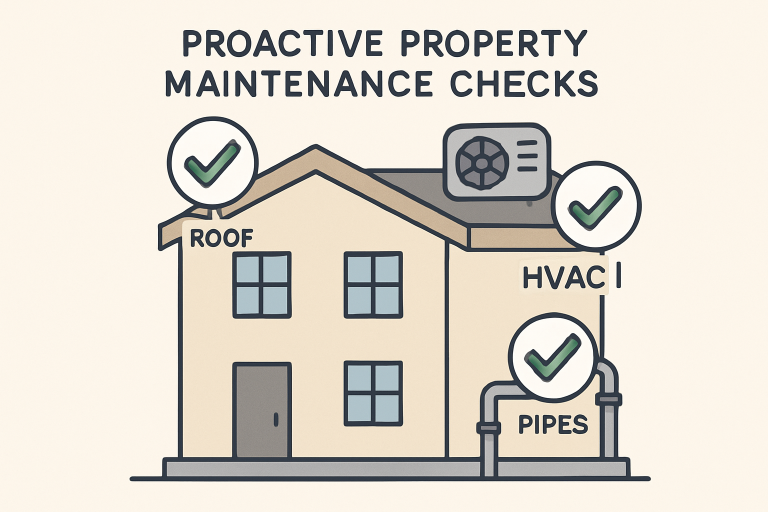
Conducting routine inspections is the backbone of proactive maintenance. Inspections should encompass structural integrity, plumbing, electrical systems, and critical equipment such as HVAC units. Identifying and addressing minor wear and tear during these checks often averts major disruptions and keeps properties compliant with local regulations. For example, early detection of roof or façade damage can prevent water leaks, thereby averting costly repairs and tenant complaints.
Scheduled Servicing
Creating a well-structured schedule for system and equipment checks is central to long-term maintenance success. Routine servicing of elevators, HVACs, and fire safety devices maintains not only operational efficiency but also regulatory compliance. Scheduled maintenance also demonstrates professionalism to tenants and can significantly reduce the risk of sudden breakdowns or expensive last-minute repairs.
Predictive Maintenance
Technological advancements now allow property managers to shift from reactive to predictive approaches. By utilizing IoT sensors and data analytics, it is possible to anticipate failures before they occur—such as identifying when a boiler needs servicing based on real-time performance metrics rather than guesswork. Integrating digital twins and Computerized Maintenance Management Systems (CMMS) improves accuracy, ensures centralized documentation, and automates reminders for servicing requirements. This approach, explored in greater depth by Forbes, is gaining traction among leading property management professionals.
Tenant Communication
Transparent and open lines of communication ensure tenants feel valued and informed. Proactive managers solicit maintenance requests, provide clear timelines for scheduled work, and promptly update tenants on repairs. Leveraging digital platforms enables staff to receive, track, and resolve tenant requests efficiently, fostering trust and boosting satisfaction. Clear communication also helps prevent friction during planned maintenance and allows tenants to prepare accordingly.
Emergency Response Planning
Even the best proactive strategies cannot prevent every emergency. Effective property managers prepare for the unexpected by developing a comprehensive emergency response plan with detailed protocols, reliable contractor contact lists, and communication templates. Whether facing severe weather, plumbing failures, or power outages, a coordinated response protects both tenants and property value. Ongoing drills and communication reviews further enhance readiness and response speed.
Leveraging Technology
Modern maintenance management platforms automate routine tasks such as generating work orders, scheduling inspections, and updating statuses. Centralizing data in a digital environment improves visibility, ensures timely follow-up, and reduces administrative burden. Integrating smart building technologies—like sensor-driven leak detection—adds a layer of proactive protection. These innovations empower property managers to deliver faster, more reliable service while enhancing their reporting to owners and investors.
Data-Driven Decision Making
Monitoring key performance indicators, such as response times, repair recurrence, and tenant satisfaction, allows managers to identify patterns and optimize resource allocation. Analyzing data also helps forecast rising costs, identify frequently failing assets, and justify capital expenditures. By turning insight into action, managers can increase efficiency and achieve better outcomes across their portfolio.
Training and Development
Investing in continuous training for maintenance teams is essential to adapt to new technologies and regulatory requirements. Workshops, certifications, and digital skill development keep staff prepared to handle complex systems and deliver higher service standards. Knowledgeable and confident teams are equipped to spot risk factors sooner, demonstrate improved problem-solving, and enhance the overall maintenance process.
Modern property management is rooted in proactive maintenance. Implementing strategies such as routine inspections, leveraging predictive analytics, embracing technology, and fostering strong communication channels lays a foundation for sustainable success. These efforts not only preserve and enhance property value but also contribute to stronger, longer-lasting tenant relationships.