
Key Takeaways
- Recognizing emotional and behavioral changes in children early can be crucial for their mental health and overall development.
- Persistent sadness, social withdrawal, and sudden changes in mood are key signs that may indicate the need for counseling.
- Early intervention by mental health professionals can offer vital tools and support for both children and families.
- There are accessible resources for parents seeking specialized child counseling services in their community.
Table of Contents
- Why Child Counseling Matters
- Persistent Sadness or Withdrawal
- Sudden Changes in Behavior or Mood Swings
- Regression to Earlier Behaviors
- Decline in Academic Performance
- Physical Complaints Without Medical Cause
- Social Isolation or Difficulty in Relationships
- Expressions of Hopelessness or Self-Harm
- When to Take Action
- Resources for Parents
Why Child Counseling Matters
Children experience a vast range of emotions and challenges as they grow. Just like adults, they may face pressure from school, relationships, or changes in the family that impact their well-being. Being attentive to your child’s behavioral and emotional health helps prevent minor issues from escalating into more serious problems over time. If you notice changes in your child’s mood or behavior, consider exploring professional options, such as child counseling services Fargo, to provide them with structured support.
Addressing concerns early can help ensure that children develop the skills to manage stress and adopt positive coping mechanisms. When emotions or difficulties become overwhelming, counseling can make a crucial difference in helping your child thrive both emotionally and academically.
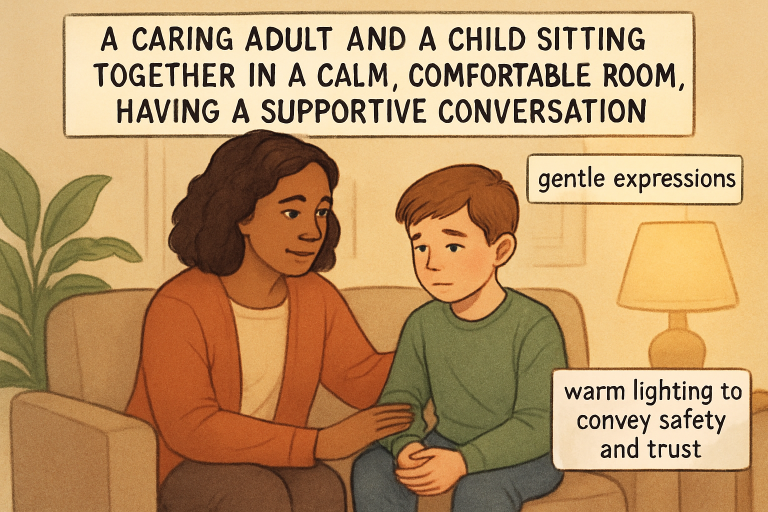
It’s often hard for children to articulate what they’re feeling. Instead, their emotions may surface through their actions or physical symptoms. In such situations, professional child therapists offer a safe space where children can express themselves and work through whatever challenges they’re facing.
Parents who notice unpredictable or concerning changes should not hesitate to seek guidance from experts. Mental health professionals can help identify root causes and equip families with strategies for managing complex emotions and behavioral patterns.
Children naturally experience ups and downs, but frequent and intense mood swings, irritability, or disruptive outbursts may point to an inability to regulate emotions. These changes could stem from stress, trauma, or other mental health concerns. Child counseling offers a structured environment that fosters emotional regulation, providing tools to manage intense feelings more effectively.
Regression to Earlier Behaviors
Noticeable regression to earlier stages, such as bedwetting, thumb-sucking, or heightened clinginess, can be distressing for both parents and children. According to Psychology Today, these behaviors often reflect emotional turmoil or stress, especially after a significant change like a move, divorce, or loss. Emotional support through counseling can help children process these adjustments and develop healthier coping strategies.
Decline in Academic Performance
An unexplained drop in grades or lack of enthusiasm for previously enjoyable learning activities can signal that your child is struggling. This may result from difficulties focusing, anxiety, or hidden emotional battles. Collaborating with your child’s educators and engaging with a licensed counselor helps ensure that emotional and mental health needs are not overlooked in the academic environment.
Physical Complaints Without Medical Cause
Does your child complain of frequent headaches, stomachaches, or other physical ailments that don’t have a clear medical cause? These symptoms can be physical manifestations of underlying emotional issues. Mental and emotional stress can often show up as repeated, unexplained physical complaints in children. Counseling is an effective way to investigate these links and address them appropriately.
Social Isolation or Difficulty in Relationships
If social situations become intimidating for your child, or they frequently struggle with making or maintaining friendships, it may indicate social anxiety or related challenges. Positive peer relationships are important for children’s overall development and self-esteem. With the support of counseling, children can build stronger social skills and learn how to navigate interpersonal conflicts.
Expressions of Hopelessness or Self-Harm
Any mention of self-harm, hopelessness, or thoughts of suicide must be taken seriously and acted upon immediately. According to Mayo Clinic, self-injury often stems from emotional distress or an inability to cope with deep-seated pain, highlighting the importance of early recognition and professional support. Immediate intervention is vital in these cases, as these signs may point to severe depression or a mental health crisis.
When to Take Action
Trust your instincts as a caregiver. If you’ve noticed several of these signs persisting over time, reaching out for help is the next best step. Early intervention not only protects your child’s immediate well-being but also builds a strong foundation for healthy emotional growth throughout their life.
Resources for Parents
Navigating your child’s mental health journey can feel overwhelming, but you don’t have to do it alone. Numerous resources, including local and national mental health organizations, are designed to support parents and caregivers. Connecting with trusted mental health professionals will ensure you have the tools and confidence needed to support and advocate for your child.