Key Takeaways:
- Regular cleaning helps reduce the spread of illnesses, resulting in fewer employee sick days.
- Consistent cleaning schedules enhance indoor air quality, improving overall employee well-being.
- Maintaining a clean workspace boosts employee morale and productivity.
- Structured cleaning routines prevent the buildup of harmful bacteria and allergens.
The Link Between Cleanliness and Employee Health
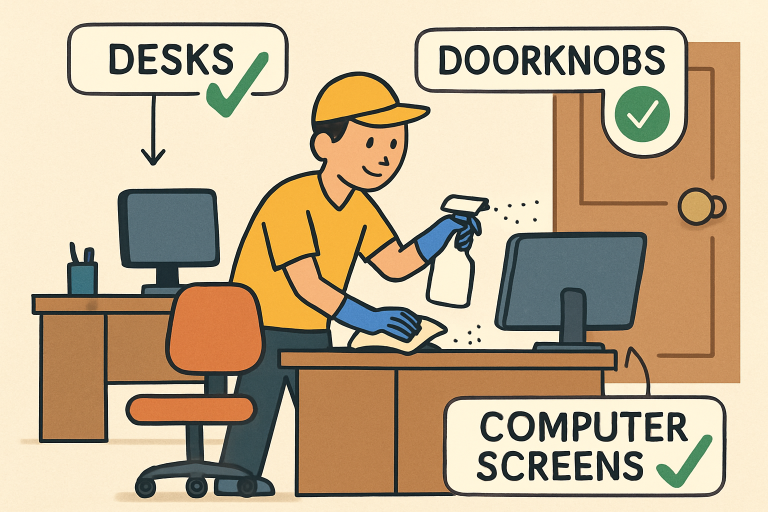
Workplace cleanliness is directly tied to employee health and wellness. Surfaces touched frequently—such as doorknobs, touchscreens, and communal tables—are magnets for bacteria and viruses. Without routine and thorough cleaning, these pathogens can easily spread among employees, leading to increased rates of illness and absenteeism. Relying on professional janitorial services ensures that these high-risk zones are sanitized on a reliable schedule, minimizing the risk of workplace outbreaks and fostering a healthier environment for everyone.
Maintaining cleanliness not only promotes physical health but also influences workplace culture. When employees see that their environment is respected and cared for, they’re more likely to practice good hygiene themselves—such as frequent handwashing and proper disposal of tissues. This collaborative effort makes a significant difference, especially during cold and flu season or when unexpected viruses emerge.
Beyond visible germs on surfaces, offices can harbor airborne threats. Dust, pollen, mold spores, and other microscopic contaminants are easily stirred into the air, irritating the sinuses and aggravating allergies or respiratory issues. Regular dusting, high-quality air filtration, and scheduled deep cleans play a crucial role in maintaining fresh and safe indoor air for all employees.
Reducing Sick Days Through Regular Cleaning
Routine cleaning is closely linked to lower employee absenteeism. Research demonstrates that implementing organized cleaning schedules—covering everything from bathrooms to break rooms—can reduce workplace illnesses by up to 40%. Partnering with professional janitorial companies ensures these protocols are consistently followed and tailored to your specific workspace. The result is not only fewer sick days but also increased consistency in team output and satisfaction. This is especially relevant as employers continue to navigate the challenges of hybrid and in-person work arrangements, where minimizing disruptions is crucial to productivity. According to CDC guidelines, tailored cleaning protocols adapted to each industry and building type can dramatically decrease the presence of illness-causing organisms in shared environments.
Enhancing Indoor Air Quality
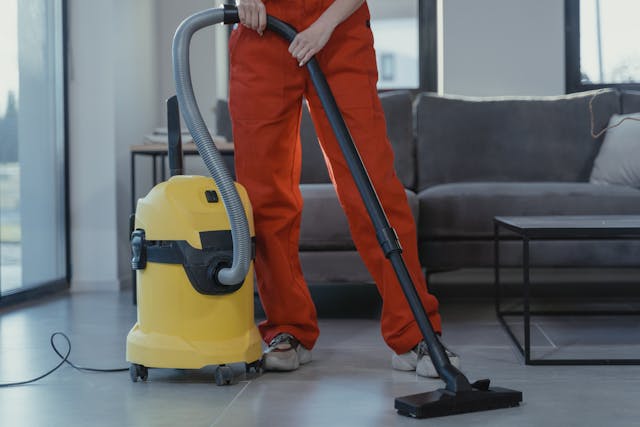
Indoor air quality has a profound impact on employee health, comfort, and cognitive performance. Accumulated dust, pollen, and chemicals from cleaning agents or office equipment can worsen asthma, trigger allergies, and cause headaches. Solutions such as regular vacuuming with HEPA filters, replacing HVAC system filters, and monitoring for mold growth are essential for maintaining breathable, healthy air. Integrating these tasks into a consistent cleaning schedule not only supports health but also reflects a company’s commitment to employee well-being. Studies outlined in EPA’s Office Building Occupants Guide to Indoor Air Quality highlight that air quality improvements can support cognitive functioning and decrease workplace errors, making them a strategic priority for facility managers and business leaders.
Boosting Employee Morale and Productivity
Beyond the physical implications, a well-maintained workspace is a foundation for a positive work culture. Employees working in clean, organized environments report higher satisfaction levels, reduced daily stress, and greater pride in their workplace. This morale boost encourages stronger focus, creativity, and engagement in daily tasks, which is particularly crucial in high-pressure industries. By contrast, messy or disorganized settings have been linked to overwhelm and cognitive overload, hindering employees’ ability to stay productive and motivated. According to a feature in Forbes, investing in professional cleaning not only enhances aesthetics but also contributes to better productivity and lower turnover rates.
Preventing the Buildup of Harmful Bacteria and Allergens
High-traffic areas, such as kitchens, restrooms, and meeting spaces, are vulnerable to the accumulation of bacteria and allergens. Without consistent cleaning, harmful microbes can multiply rapidly, putting everyone at risk—especially those with allergies or compromised immune systems. To prevent this, best practices include scheduling regular disinfections, using suitable cleaning products, and conducting frequent checks for spills or residue. This attention to detail minimizes cross-contamination, providing peace of mind to employees who may be particularly health-conscious. Effective cleaning also includes communal office features such as coffee machines, elevator buttons, and shared phones, which can otherwise become reservoirs of germs if neglected.
Implementing Effective Cleaning Schedules
Establishing a robust cleaning schedule begins with identifying high-touch and high-traffic zones, then tailoring the cleaning frequency for each area based on risk and usage patterns. Select cleaning agents that have been proven to eliminate bacteria and viruses, and ensure all staff members are familiar with proper cleaning techniques. If assigning duties to internal staff, provide clear guidelines and training; otherwise, consider hiring professionals for assured expertise and reliability. Consistently review the results of your efforts and adjust schedules as needed in response to new workplace challenges or employee feedback.
- Pinpoint commonly touched items and heavy-use spaces for daily attention.
- Assign weekly or monthly deep cleans for carpets, upholstery, and less frequently used rooms.
- Provide training or resources to stay current on best cleaning practices.
- Gather regular feedback from staff to spot overlooked areas or issues promptly.
Final Thoughts
Enforcing consistent cleaning routines is far more than a matter of appearance. These schedules safeguard employee health, control respiratory irritants, and foster a culture of respect and productivity within the workplace. With clear protocols and the backing of specialized janitorial services, organizations can ensure a safe, healthy, and welcoming environment that supports everyone’s performance and satisfaction.