Key Takeaways
- Understanding the balance between functionality and aesthetics in outdoor living spaces.
- How to integrate nature-inspired elements to enhance outdoor retreats.
- The benefits of creating personalized spaces for relaxation and entertainment.
In today’s fast-paced world, where technology often keeps us glued to indoor spaces, creating an inviting outdoor area can be a breath of fresh air, literally and figuratively. An outdoor living space Pittsburgh PA, can blend functionality with aesthetics, acting as an extension of your home while providing a serene escape from the daily routine. These spaces are visually pleasing and enhance the quality of life by offering a tranquil spot to unwind or a beautiful setting for gatherings. The trend of maximizing outdoor spaces is soaring as more homeowners recognize their potential for leisure and entertainment.
Recent research shows that outdoor areas are becoming increasingly popular among homeowners. These external spaces are no longer limited to simple patios or gardens; they have evolved into versatile environments that serve many purposes. Whether you envision intimate family dinners under the stars or solo afternoons filled with the comforting sounds of nature, a well-designed outdoor area can seamlessly transition from an extension of indoor living to a personalized retreat.
Designing for Functionality and Comfort
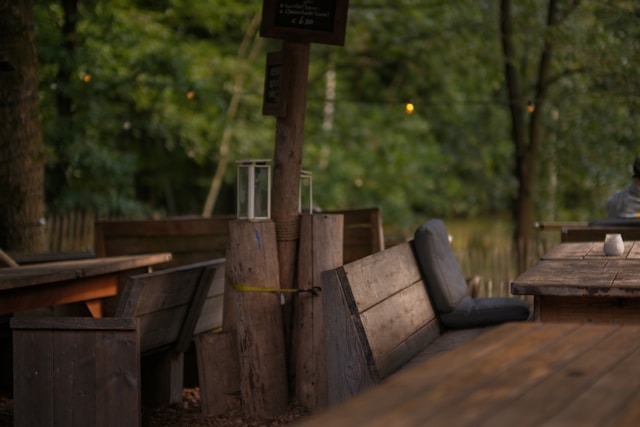
Functionality is just as necessary as visual appeal when crafting the perfect outdoor retreat. This balance begins with selecting suitable furnishings. Opt for weather-resistant materials such as rattan, stainless steel, or treated wood to ensure durability against the elements. Comfortable seating areas, like sectional sofas with plush cushions or classic deck chairs, are essential for relaxing and enjoying the outdoor ambiance. A well-defined dining area, highlighted by a sturdy table and comfortable seating, encourages casual meals and gatherings, whether a formal dinner or a spontaneous weekend brunch.
Incorporating Nature-Driven Design
Integrating natural elements in outdoor spaces adds aesthetic and environmental value. Natural materials such as stone walkways, wooden decks, and bamboo fences blend seamlessly with the surrounding greenery, enhancing the overall appeal. Incorporating plants and flowers native to the area provides a splash of color and supports local biodiversity. This approach helps create a harmonious, authentic, and sustainable environment, making your outdoor space a genuine part of its natural surroundings.
Lighting: Setting the Mood
Lighting can transform an outdoor area from a functional space to a magical retreat. Ambient lighting options like fairy lights, lanterns, or more robust LED installations can create a warm, welcoming atmosphere. String lights gracefully draped across a pergola or solar-powered lights lining a garden path will provide practicality and visual pleasure. Proper outdoor lighting enhances visibility and accentuates the space’s architectural features, making it inviting long after the sun sets.
Fire Pits: The Heart of Outdoor Spaces
A fire pit can be a gathering place and a striking visual element. As the centerpiece of an outdoor living area, it invites family and friends to gather for warmth and conversation long into the night. There are various styles, including classic wood-burning pits and modern gas-fueled options. Safety remains paramount; ensuring the pit is placed appropriately from seating and structures can prevent hazards. Additionally, consider smokeless models or fitted screens to mitigate issues with smoke or embers, allowing everyone to enjoy the inviting glow.
Creating Personal Retreats
Personalization is the key to transforming an outdoor space from a generic area to a cherished retreat. Consider how elements such as hammocks, outdoor cinema screens, or even customized fire pits can offer unique enjoyment tailored to your interests. Musical entertainment can be seamlessly integrated with outdoor speakers, while fully equipped kitchens allow culinary adventures beneath the sky. These personal touches enhance usability and make the space yours, reflecting individual tastes and lifestyle preferences.
Sustainability in Outdoor Design
Incorporating sustainable practices into outdoor design benefits the environment and is increasingly sought after by eco-conscious homeowners. Water conservation methods reduce overall consumption, such as rainwater harvesting or efficient irrigation systems. Planting native species helps preserve local ecosystems while lowering maintenance and resource needs. By prioritizing eco-friendly materials and techniques, you contribute to a healthier planet, enjoying an outdoor space that is both visually appealing and environmentally responsible. For more inspiration on sustainable upgrades, explore the latest concepts for outdoor space enhancements.
Conclusion
In conclusion, designing outdoor living spaces offers endless opportunities to blend function, style, and personal expression. By integrating nature-inspired elements, selecting durable furnishings, and ensuring the space suits your needs, you create a comfortable retreat that enhances your quality of life. Lighting and fire pits can elevate the atmosphere, transforming your outdoor area into a welcoming oasis. Personalizing the space with unique features adds a distinct touch, reflecting your individuality. Ultimately, by prioritizing sustainability, you can design a beautiful and eco-friendly outdoor retreat, contributing to a healthier environment and a peaceful sanctuary for years to come.