Key Takeaways:
- Residential fences offer privacy and security and enhance aesthetic appeal.
- Various materials are available, each with specific benefits and maintenance requirements.
- Consider climate, budget, and personal style when choosing a fence material.
- Proper installation and maintenance can significantly extend a fence’s lifespan.
Table of Contents:
- Introduction
- Types of Fencing Materials
- Considerations for Choosing a Fence
- Enhancing Aesthetic Appeal with Fencing
- Maintenance and Longevity
- Legal and Regulatory Aspects
- Conclusion
Introduction
When it comes to home improvement, adding the proper fencing can dramatically improve your property’s functionality and value. Fences serve multiple purposes, including privacy, safety, and an added aesthetic layer to your home. They define boundaries and enhance the look of your yard. Consequently, choosing the right fencing solution is more than just a practical consideration—it’s a design decision that can impact your home’s curb appeal and real estate value. This guide will explore fencing options and considerations for selecting the perfect fence for your needs.
Types of Fencing Materials
There are several fencing materials, each offering unique benefits and drawbacks. Vinyl fences are a popular option for those seeking durability and low maintenance. Known for their longevity, vinyl fences resist elements such as moisture and UV rays, making them ideal for diverse climates. These fences offer a clean, modern look and usually require a simple wash to maintain their appearance. While vinyl might have a higher upfront cost, its ability to endure the test of time without warping or peeling often makes the investment worthwhile. Aluminum and chain-link are other materials that offer a unique blend of durability and security, suitable for those prioritizing function over form.
Considerations for Choosing a Fence
Selecting the right fence involves more than just picking a material; it requires a balance of functional needs, aesthetic desires, and budget constraints. Wood fences are an enduring choice for those who love a classic and natural look. They offer versatility with numerous design and color options that can be tailored to match the architecture of your home. In addition, wood fences require regular maintenance, such as sealing or painting, to protect them from environmental damage. Still, their charm and versatility make them a beloved option for many homeowners. Understanding your local climate is also crucial, as it will ensure that your chosen material will withstand environmental challenges unique to your area.
Enhancing Aesthetic Appeal with Fencing
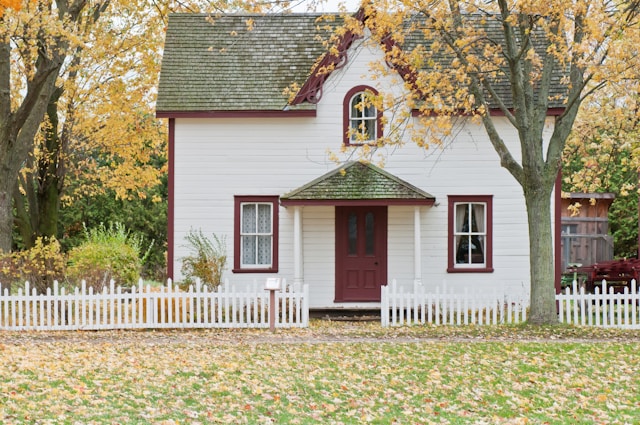
A well-chosen fence can significantly boost your home’s aesthetic appeal. Consider how the style and color of the wall complement your home’s architecture and landscape. For instance, a modern home may benefit from a sleek, minimalistic design, whereas a cottage-style home might look more cohesive with a decorative wood or wrought iron fence. Landscaping can also play a role in the visual impact of your fencing. Incorporating hedges or flower beds alongside your fence can blend the structure with natural elements, creating a harmonious and visually pleasing environment.
Maintenance and Longevity
Regular maintenance is critical to ensuring that your fence stands the test of time. Different materials require different levels of upkeep. For example, wood fences must be regularly sealed or stained to protect against moisture and pest damage, while vinyl only needs periodic cleaning. Metal fences might require rust prevention treatments to maintain their integrity and appearance. Routine checks for damage, such as loose boards or rust spots, followed by timely repairs, can significantly prolong your fence’s life, preserving its functionality and aesthetic quality.
Legal and Regulatory Aspects
Before embarking on a fencing project, it is critical to consider local regulations and any community-specific rules. Many areas have zoning laws dictating fence heights, property line setbacks, and materials. Homeowners associations may also have aesthetic guidelines that need to be adhered to. Acquiring necessary permits and understanding these rules before installation can help avoid legal issues and fines. Additionally, discussing plans with neighbors, especially when sharing a boundary, can prevent conflicts and ensure the chosen solution is acceptable to all parties involved.
Conclusion
Choosing the right residential fencing solution involves a mix of practical considerations and aesthetic desires. You can select a fence that meets your needs and enhances your home’s beauty by evaluating the various materials and styles available, factoring in local climate and regulations, and considering your home’s budget. A carefully chosen and adequately maintained fence can significantly contribute to your home’s value and charm, offering years of privacy, security, and visual appeal. Seeking professional advice and adhering to best practices will ensure that your investment pays off, resulting in a fence that is as functional as it is beautiful.