
Table of Contents
- Factors Influencing Deck Material Choice
- An Overview of Wood Decking
- Examining Composite Decking Materials
- Durability and Maintenance Comparison
- Environmental Impact and Sustainability
- Cost Breakdown: Initial Investment and Long-Term Value
- Which Deck Material Fits Your Lifestyle?
- Final Thoughts
Factors Influencing Deck Material Choice
Selecting the ideal decking material requires carefully balancing taste, budget, and performance. Climate plays a significant role—decks in regions with harsh winters or heavy rain need materials that resist warping, cracking, and moisture penetration. Budget limitations can steer homeowners toward classic selections, while those prioritizing aesthetics may opt for materials that align with their design vision. If you’re looking for personalized guidance or want expert installation, contacting custom deck builders in Chicago, IL can ensure your deck meets every requirement—functionality, longevity, and curb appeal. Additionally, professional deck builders can provide insights on maintenance, finishing options, and local building codes, helping you make informed decisions that protect your investment for years.
An Overview of Wood Decking
Wood decks remain a popular choice due to their timeless appeal and versatility. Common wood species for decking include pressure-treated pine, cedar, redwood, and tropical hardwoods like ipe or mahogany. Each offers a unique grain, hue, and level of natural resistance to rot and pests.
Wood delivers a warmth and feel that many homeowners crave. The classic, organic timber look blends beautifully into outdoor settings and can be customized through stains and finishes. However, natural wood decks require recurring maintenance—annual staining, sealing, and inspections—to protect against the elements.
Examining Composite Decking Materials
Composite decking has surged in popularity due to its durability and low maintenance. These boards are typically made from a mixture of wood fibers and recycled plastics, combined through state-of-the-art processes that minimize flaws and improve longevity. Recent advancements allow for authentic-looking grains and a wide range of colors, enabling homeowners to achieve the appearance of wood without its drawbacks.
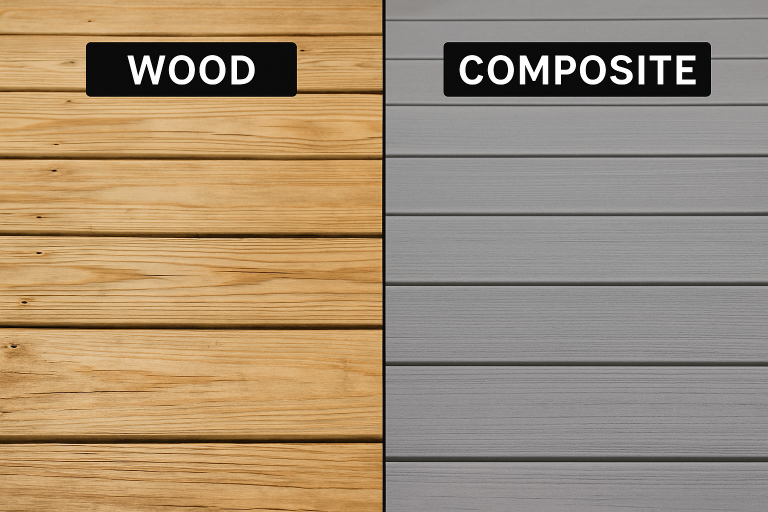
Composite resists splintering, fading, and staining. It also stays cooler underfoot and is less attractive to pests. Some lines even offer reversible boards, slip resistance, and compatibility with hidden fastener systems for a sleek, modern finish.
Durability and Maintenance Comparison
When it comes to performance over time, both wood and composite have distinct strengths and weaknesses. Even when treated, wood can succumb to rot, warping, insect damage, and weathering. Typically, it will need yearly upkeep, including cleaning, sanding, and sealing or staining. Composite, by contrast, is designed to repel moisture, resist the sun’s rays, and deter pests, resulting in far less hands-on maintenance—just basic cleaning once or twice a year.
Environmental Impact and Sustainability
Many eco-conscious homeowners consider the source and sustainability of their deck materials. However, even sustainable wood will eventually require replacement, and frequent treatments can impact its environmental footprint.
Composite decking often features a high percentage of recycled materials—plastic bags, sawdust, and more—which divert waste from landfills and prolong resource life. Manufacturing these boards uses energy, but over its extended lifespan and minimal chemical treatments, the environmental impact can be lower than that of wood. Your choice can play a tangible role in reducing your household’s overall environmental footprint, a factor increasingly valued in home improvement decisions.
Cost Breakdown: Initial Investment and Long-Term Value
The initial price tag for decking often weighs heavily on decisions. Wood decking, specifically pressure-treated pine, tends to be the most affordable upfront. Premium woods and tropical hardwoods, however, can rival or exceed the cost of composite. The yearly maintenance associated with wood—cleaners, stains, labor, and repairs—quickly adds up.
Which Deck Material Fits Your Lifestyle?
Consider your household’s specific needs. Families with active children or pets may lean toward composite decking, as it is splinter-free and has superior slip resistance. Those who prefer a softer, more natural surface—or who enjoy the aroma and feel of real wood—may accept the additional care involved with timber. Consider how much time and energy you’re willing to invest in cleaning and upkeep, and whether a deck’s appearance or simplicity of care ranks highest.
Final Thoughts
Choosing the right decking material balances aesthetics, functionality, maintenance, and long-term value. Wood offers timeless beauty and a natural feel, while composite provides low-maintenance durability and environmental benefits. By evaluating your lifestyle, climate, budget, and long-term goals—and consulting experienced deck builders in Chicago, IL—you can make an informed choice that enhances your outdoor space for years to come. A well-chosen deck boosts curb appeal and creates a comfortable, safe, and enjoyable area for family gatherings, relaxation, and outdoor living.