Key Takeaways
- Generators should never be used indoors or near open windows and doors to avoid carbon monoxide exposure.
- The safest way to connect a generator to your home is with a transfer switch installed by a licensed electrician.
- Routine maintenance and proper fuel storage are mandatory for reliable, safe generator performance.
When the power goes out, having backup power can be a lifesaver. Generators keep essential household appliances running, ensuring your family stays comfortable and safe. However, it’s crucial to remember that portable and standby generators require more than just basic operation knowledge. Ensuring safe usage will protect your home and loved ones from real hazards, such as carbon monoxide poisoning and electrical accidents.
This article provides clear guidelines for generator safety that every homeowner should know. Informed use can prevent common mistakes and the risks that come with improper setup or maintenance. Whether your generator is for occasional outages or critical backup during severe weather, following best practices is essential for peace of mind.
If you’re interested in more information about safe, reliable home power options, you may also want to explore a wider range of electrical products to improve your home’s energy resilience and safety.
Understanding Carbon Monoxide Risks
One of the most significant dangers associated with generator use is carbon monoxide (CO) poisoning. CO is a colorless, odorless gas that results from burning fuel. Breathing in high levels of CO can cause headaches, nausea, confusion, or worse, unconsciousness and death. To prevent exposure:
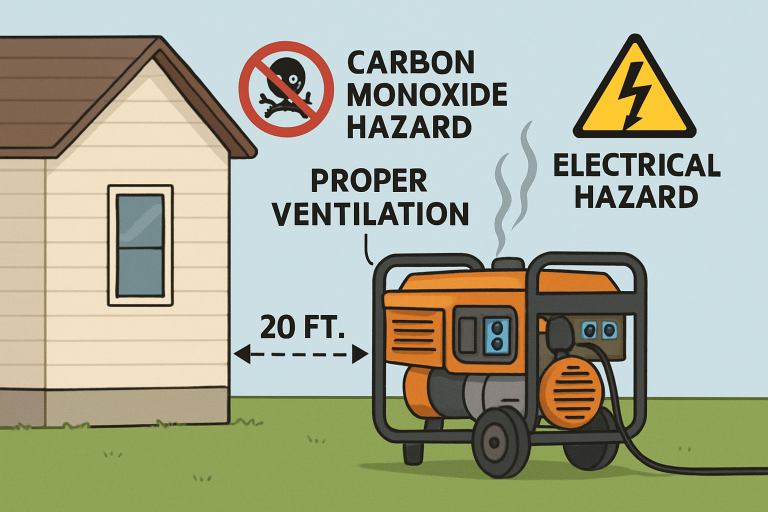
- Operate the Generator Outdoors: Always place the generator outside, at least 20 feet from the house. Make sure exhaust fumes can’t drift indoors through vents, doors, or windows.
- Install and Maintain CO Detectors: Place battery-operated CO alarms on each floor, especially near sleeping areas. Test them monthly and replace batteries as needed. For more about CO poisoning prevention, review the guidelines by the Consumer Product Safety Commission.
Proper Generator Placement
Choosing the right location for your generator is critical, as ventilation issues can quickly make a safe situation hazardous. Your generator should be set up outside, away from windows, doors, air conditioning units, and crawl spaces. Any location where exhaust could enter the home should be avoided. Never use the generator in an attached garage or basement, regardless of ventilation or open doors, because carbon monoxide can accumulate faster than it dissipates, creating an invisible risk.
- Minimum Distance: Place the generator at least 20 feet away from your living space.
- Avoid Enclosed Spaces: Garages, sheds, and basements do not provide adequate ventilation. Even with doors open, airflow is insufficient to prevent hazardous buildup.
Electrical Safety Measures
Incorrectly connecting the generator to your home’s wiring can cause “backfeeding,” sending power back into the electrical grid. This dangerous phenomenon can injure line workers restoring power and may damage your generator and home appliances. Always follow these steps:
- Use a Transfer Switch: Have a licensed electrician install one. This device isolates your home’s circuits and ensures safe generator operation, without risking utility workers or electrical devices.
- Direct Plug-In for Appliances: Never plug your generator directly into a standard wall outlet. Instead, use heavy-duty, outdoor-rated extension cords and plug appliances directly into the generator. Visit the Consumer Reports guide to generator safety for more details on safe connections.
Fuel Storage and Handling
Generator safety goes beyond operation and involves proper fuel storage and handling. Gasoline, diesel, and propane are highly flammable, and improper storage increases fire risks:
- Approved Containers: Store gasoline or diesel only in containers designed for fuel. Do not store fuel indoors, and keep it away from ignition sources.
- Refueling Protocol: Before adding fuel, turn off your generator and let it cool for at least 15 minutes. Never refuel while the generator is running or hot, as this can ignite spilled fuel.
Regular Maintenance
Your generator needs care like any other major appliance. Routine checks and periodic professional service will prolong its life and keep it running safely. Before each use, inspect for damage, check oil and coolant levels, and replace filters as specified by the manufacturer. Scheduling annual maintenance with a qualified technician is recommended to inspect spark plugs, replace worn components, and check for fuel or oil leaks.
Be Prepared for Emergencies
A dependable generator is just one part of emergency preparedness. Keep an up-to-date emergency kit with flashlights, batteries, first-aid supplies, bottled water, and backup power for mobile devices. Everyone in your household should know how to operate the generator safely and recognize the symptoms of carbon monoxide poisoning, including dizziness, headache, or confusion. If you ever suspect CO poisoning, shut off the generator immediately, move everyone outside, and contact emergency services from a safe location.
Conclusion
Generators are indispensable in power outages, but they come with significant responsibilities. Proper outdoor placement, electrical safety, fuel handling, and regular maintenance are non-negotiable for safe use. Stay informed and follow these guidelines to keep your home and loved ones safe whenever you rely on a backup generator.